
The Question of Integrity
The HollowThis flow follows the novel's movement from social deception toward the difficult distinction between truthfulness, loyalty, and moral integrity.
increasing Bearing strength in each event
 decreasing
Bearing strength in each eventdecreasingSocial Lies
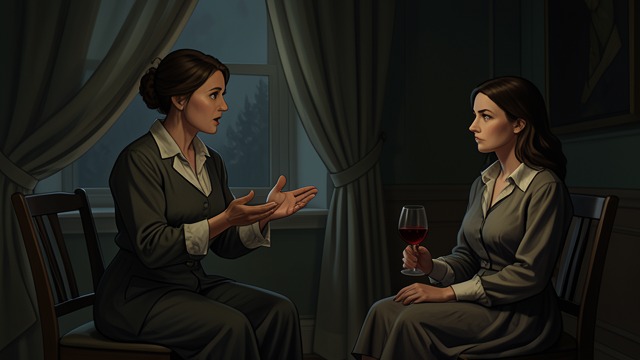
Courtesy Without Truth
Lucy's Evasions
Lucy Angkatell speaks in unfinished associations, while Henrietta openly admits that she often says what pleases people. Social life depends on controlled distortion.
Moral Ambiguity
The characters do not share one definition of honesty. Kindness, charm, and truth frequently pull in different directions.
The Staged Picture
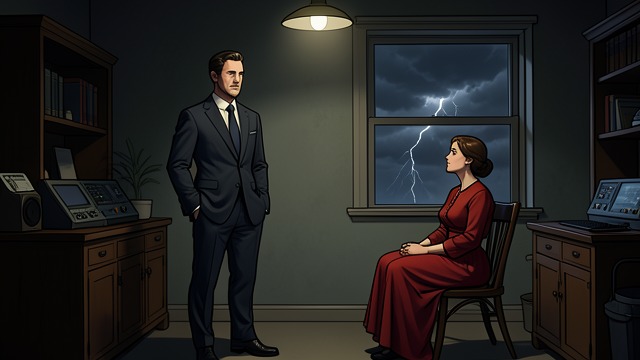
Seeing What Is Intended
Visual Authority
Poirot believes his eyes have witnessed the crime. The scene is persuasive because it arranges familiar signs into a coherent false meaning.
Epistemic Danger
The novel challenges observation as a guarantee of truth. Evidence can be accurate in detail and false in interpretation.
Integrity Without Truthfulness
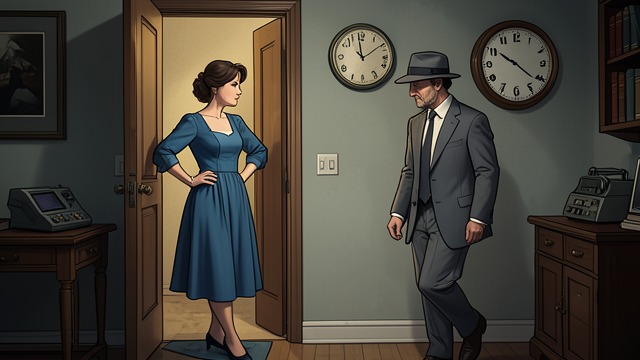
A Complicated Virtue
Self-Description
Henrietta calls herself untruthful but Poirot recognizes integrity in her. She lies to protect others while refusing to betray the emotional truth of John's character.
Moral Tension
Her deception is not innocent, yet it is motivated by responsibility rather than gain. The novel refuses to make honesty and goodness identical.
Collective Concealment
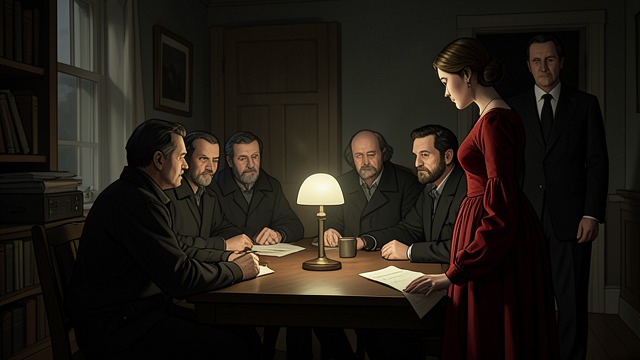
Loyalty Against Law
Shared Protection
The Angkatells and their servants help obscure Gerda's guilt. Their lies create a private ethics of loyalty opposed to public justice.
Cost of Mercy
Protecting Gerda also allows a murderer to escape legal judgment. Compassion becomes inseparable from complicity.
Truth Deferred
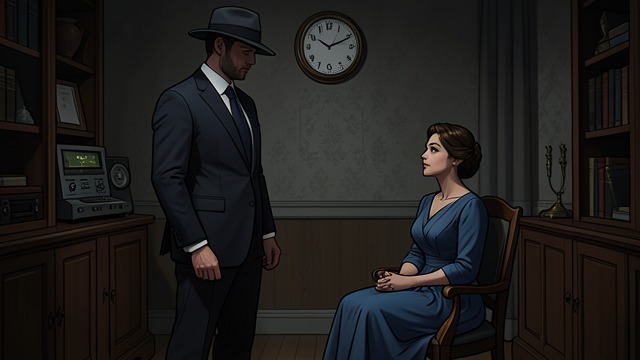
Knowledge as Future Duty
Poirot's Decision
Poirot refuses to destroy the truth completely. He will tell Terence when the boy is mature enough to receive it.
Ethical Resolution
Truth is neither publicly weaponized nor permanently buried. It is preserved as a responsibility owed to the future.
Friday morning
Sunday at one o'clock
During Poirot's first conversation with Henrietta
During the investigation
Final chapter
